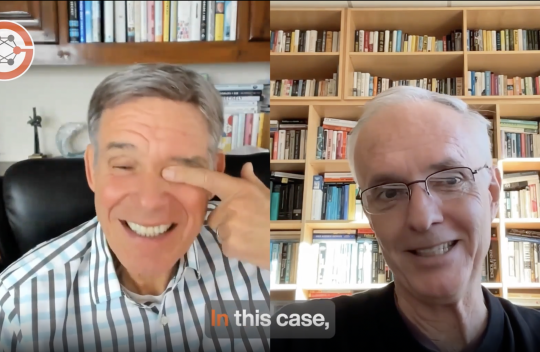
Jim Collins is one of the leading biomedical engineers in the world. He’s been elected to all 3 National Academies (Engineering, Science, and Medicine) and is one of the founders of the field of synthetic biology. In this conversation, we reviewed the seminal discoveries that he and his colleagues are making at the Antibiotics-AI Project at MIT. Learn more
Casey is taking his newsletter Platformer off Substack, as criticism over the company’s handling of pro-Nazi content grows. Then, The Wall Street Journal spoke with witnesses who said that Elon Musk had used LSD, cocaine, ecstasy and psychedelic mushrooms, worrying some directors and board members of his companies. And finally, how researchers found a new class of antibiotics with the help of an artificial intelligence algorithm used to win the board game Go.
Today’s guests: Kirsten Grind, enterprise reporter for The Wall Street Journal
Felix Wong, postdoctoral fellow at M.I.T. and co-founder of Integrated Biosciences
Additional Reading:
Why Platformer is leaving Substack.
Elon Musk has reportedly used illegal drugs, worrying leaders at Tesla and SpaceX.
Researchers have discovered a new class of antibiotics using A.I. Learn more
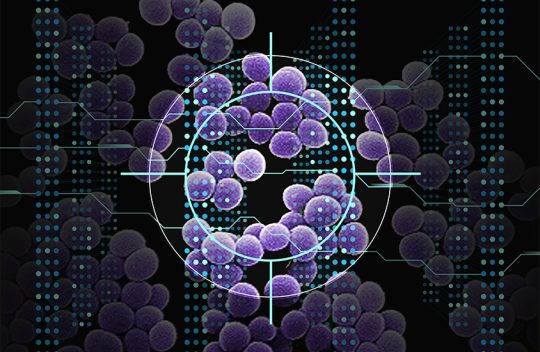
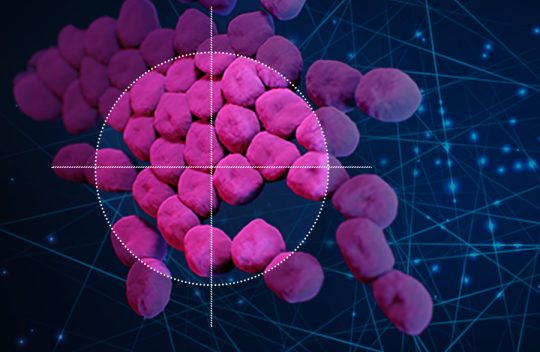
Using a type of artificial intelligence known as deep learning, MIT researchers have discovered a class of compounds that can kill a drug-resistant bacterium that causes more than 10,000 deaths in the United States every year. Learn more
Antibiotic resistance is among the biggest global threats to human health. It was directly responsible for an estimated 1.27 million deaths in 2019 and contributed to nearly five million more. The problem only got worse during the COVID pandemic. And no new classes of antibiotics have been developed for decades. Learn more
I’ll wager that the event of 2023 that will change our lives the most in coming years is not the sighting of a Chinese spy balloon, the failure of Silicon Valley Bank, the fall of Kevin McCarthy’s speakership or any of the other eruptions that transfixed us this year.
More likely, the event that’s judged most transformative will be some scientific or technological advance that only a handful of people know about right now — because that’s how things almost always go. The first time the word “transistor” appeared in print was in an article in The New York Times in 1948, on Page 46, following a report on two new radio shows, “Mr. Tutt” and “Our Miss Brooks.” I think we can agree that the transistor has had more impact on our daily lives in the 75 years since than either of those bits of entertainment. Learn more
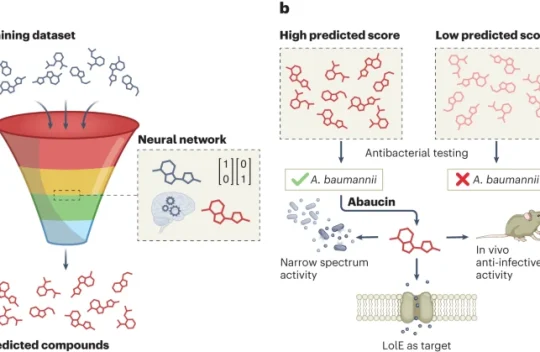
Computational approaches are emerging as powerful tools for the discovery of antibiotics. A study now uses machine learning to discover abaucin, a potent antibiotic that targets the bacterial pathogen Acinetobacter baumannii. Learn more
“FrameDiff” is a computational tool that uses generative AI to craft new protein structures, with the aim of accelerating drug development and improving gene therapy. Learn more