

Tag: Forbes
Meet the newest Forbes 30 under 30
Gabriele Corso was a computer science PhD student at MIT's Computer Science and Artificial Intelligence Laboratory (CSAIL), where his research focused on the intersection of machine learning and molecular biology. His cofounder Saro Passaro was also a research scientist at MIT and previously worked at Meta. The two have trained AI models for predicting biomolecular structures and how molecules interact within the body, which could eventually help with drug discovery. Used by thousands of global organizations and downloaded more than 1M times, these open source models are the basis for Boltz, a company Corso and Passaro cofounded with Jeremy Wohlwend to improve therapeutic design using AI. Learn more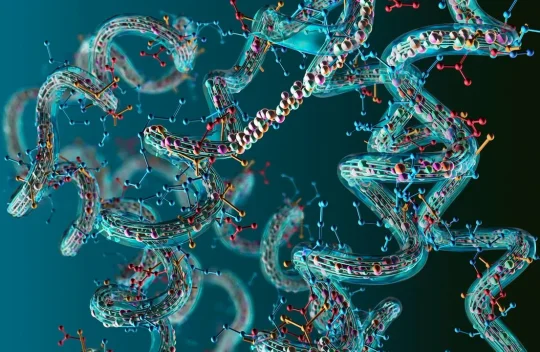
The Prototype: This AI Model Could Make It Faster To Find New Medicines
The 2024 Nobel Prize in Chemistry was awarded in part to Deepmind’s Demis Hassabis and John Jumper for the development of AlphaFold–an AI model that predicts the structure of proteins, the complex chemicals essential to making our bodies work. Since its inception, this model and others like it have been put to use in laboratories around the world, enabling new biological discoveries.Now a team from MIT and pharmaceutical company Recursion, with support from Cancer Grand Challenges, have developed a tool that takes these principles further–and may help researchers find new medicines more quickly. Called Boltz-2, this open-source generative AI model can not only predict the structure of proteins, it can also predict its binding affinity–that is, how well a potential drug is able to interact with that protein. This is crucial in the early stages of developing a new medicine. Learn more
Balancing Power With Caution: AI’s Impact On Breast Cancer
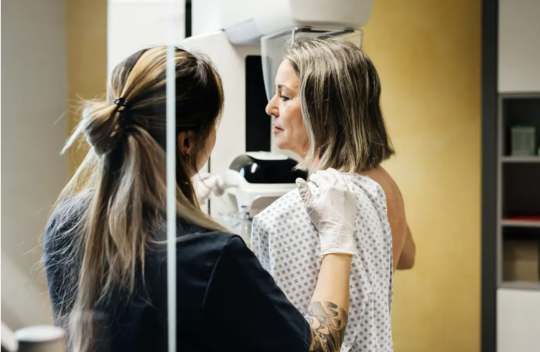
During my seven years as president and CEO of Susan G. Komen, I’ve witnessed the impact of innovation in our mission to end breast cancer for good. Over the past four decades, we’ve seen a 44% reduction in breast cancer mortality, thanks to early detection and better treatments. AI is now accelerating this progress with its capacity to analyze vast datasets, discover new patterns and enhance diagnostic accuracy.Take, for example, the groundbreaking work of Komen scholar Dr. Regina Barzilay. Using her own mammograms in her research at MIT, Dr. Barzilay demonstrated how AI could have detected her breast cancer much earlier, potentially improving her prognosis. Studies show that incorporating AI into mammogram analysis boosts cancer detection rates by 20%, without increasing false positives. This is a significant leap forward, as early detection is key to a better chance at positive outcomes and survival. Learn more

Kiran Mazumdar-Shaw named in Forbes’ list of World’s Most Powerful Women
Biocon Founder, Chairman and Managing Director and Advisory Board member of MIT Jameel Clinic Kiran Mazumdar-Shaw was recognized in Forbes' 2024 list of the World's Most Powerful Women. The list recognizes 100 exceptional women in fields such as finance, technology, media and beyond, who have significant visibility and economic impact, influencing over 1 billion people around the world. Learn more