How AI is changing the manner in which cardiovascular illness is diagnosed. And the future is unfolding before us with new predictive analytics, remote monitoring and precision medicine. Dr. Stultz is both a Ph.D. in Computer Science as well as a Cardiologist and brings both fields of practice together in a unique fashion. Learn more
In a large study of thousands of mammograms, AI algorithms outperformed the standard clinical risk model for predicting the five-year risk for breast cancer. The results of the study were published in Radiology.
A woman’s risk of breast cancer is typically calculated using clinical models such as the Breast Cancer Surveillance Consortium (BCSC) risk model, which uses self-reported and other information on the patient—including age, family history of the disease, whether she has given birth, and whether she has dense breasts—to calculate a risk score. Learn more
With the artificial intelligence conversation now mainstream, the 2023 MIT-MGB AI Cures conference saw attendance double from previous years.
Learn more
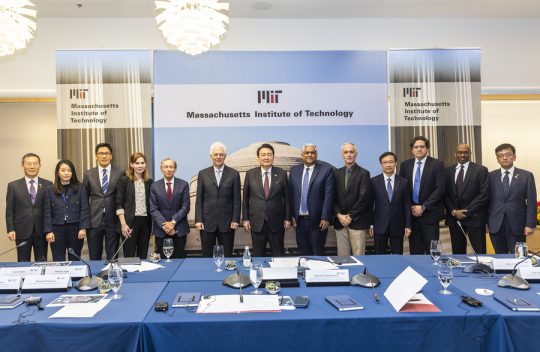
President Yoon Suk Yeol of South Korea visited MIT on Friday, participating in a roundtable discussion with Institute leaders and faculty about biomedical research and discussing the fundamentals of technology-driven innovation clusters. Learn more
Researchers in Boston are on the verge of what they say is a major advancement in lung cancer screening: Artificial intelligence that can detect early signs of the disease years before doctors would find it on a CT scan.
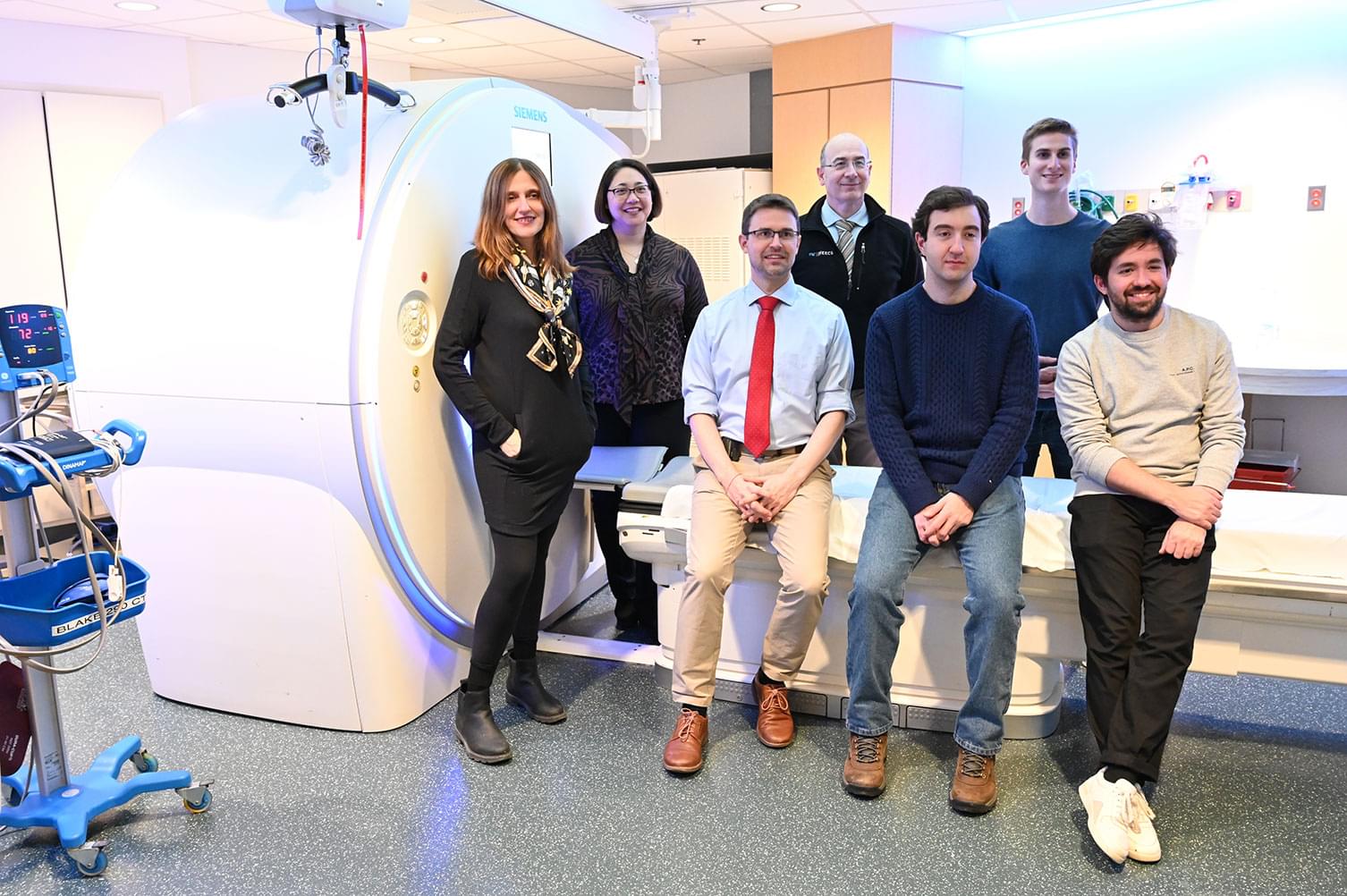
The new AI tool, called Sybil, was developed by scientists at the Mass General Cancer Center and the Massachusetts Institute of Technology in Cambridge. In one study, it was shown to accurately predict whether a person will develop lung cancer in the next year 86% to 94% of the time. Learn more
The name Sybil has its origins in the oracles of Ancient Greece, also known as sibyls: feminine figures who were relied upon to relay divine knowledge of the unseen and the omnipotent past, present, and future. Now, the name has been excavated from antiquity and bestowed on an artificial intelligence tool for lung cancer risk assessment being developed by researchers at MIT's Abdul Latif Jameel Clinic for Machine Learning in Health, Mass General Cancer Center (MGCC), and Chang Gung Memorial Hospital (CGMH). Learn more
The Jameel Clinic, the epicentre of artificial intelligence (AI) in healthcare at the Massachusetts Institute of Technology (MIT), hosted today a one-day conference titled ‘AI Cures MENASA: Clinical AI and data solutions for health’, in partnership with the UAE Artificial Intelligence Office, Community Jameel, and Wellcome. Held at the Jameel Arts Centre in Dubai, the conference was attended by H.E. Omar Sultan Al Olama, UAE Minister for Artificial Intelligence, Digital Economy and Remote Work Applications, and brought together pioneers in AI and health from the Jameel Clinic, including MacArthur ‘genius grant’ Fellows Professor Regina Barzilay and Professor Dina Katabi, Dr Adam Yala and Dr Shrooq Alsenan, a Jameel Clinic research fellow from Saudi Arabia, together with representatives from major hospitals and public health agencies across the Middle East, North Africa, and South Asia (MENASA) region. The conference marks the first international venture of ‘AI Cures’, the Jameel Clinic’s platform for collaboration that launched in the early months of the COVID-19 pandemic. Learn more