

Tag: Boltz-2
MIT scientists debut a generative AI model that could create molecules addressing hard-to-treat diseases
More than 300 people across academia and industry spilled into an auditorium to attend a BoltzGen seminar on Thursday, Oct. 30, hosted by the Abdul Latif Jameel Clinic for Machine Learning in Health (MIT Jameel Clinic). Headlining the event was MIT PhD student and BoltzGen’s first author Hannes Stärk, who had announced BoltzGen just a few days prior. Learn more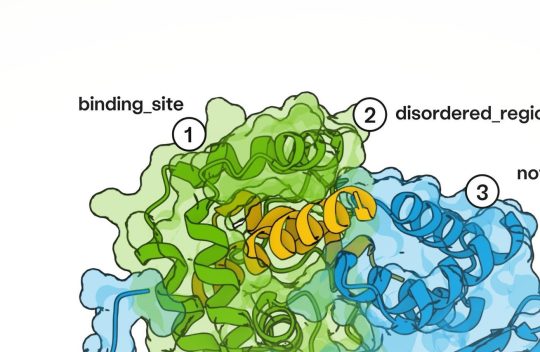
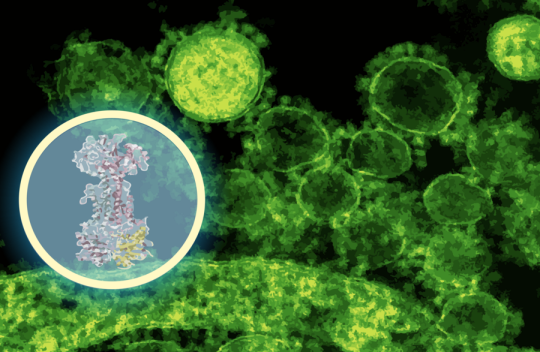
AI maps how a new antibiotic targets gut bacteria
“This discovery speaks to a central challenge in antibiotic development,” says Jon Stokes, senior author of a new paper on the work, assistant professor of biochemistry and biomedical sciences at McMaster, and research affiliate at MIT’s Abdul Latif Jameel Clinic for Machine Learning in Health. “The problem isn’t finding molecules that kill bacteria in a dish — we’ve been able to do that for a long time. A major hurdle is figuring out what those molecules actually do inside bacteria. Without that detailed understanding, you can’t develop these early-stage antibiotics into safe and effective therapies for patients.” Learn more
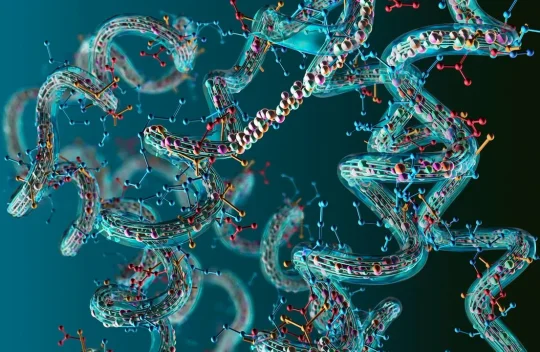
The Prototype: This AI Model Could Make It Faster To Find New Medicines
The 2024 Nobel Prize in Chemistry was awarded in part to Deepmind’s Demis Hassabis and John Jumper for the development of AlphaFold–an AI model that predicts the structure of proteins, the complex chemicals essential to making our bodies work. Since its inception, this model and others like it have been put to use in laboratories around the world, enabling new biological discoveries.Now a team from MIT and pharmaceutical company Recursion, with support from Cancer Grand Challenges, have developed a tool that takes these principles further–and may help researchers find new medicines more quickly. Called Boltz-2, this open-source generative AI model can not only predict the structure of proteins, it can also predict its binding affinity–that is, how well a potential drug is able to interact with that protein. This is crucial in the early stages of developing a new medicine. Learn more
