

PhysioNet at 25: The Open-Source Engine Behind Modern AI in Medicine
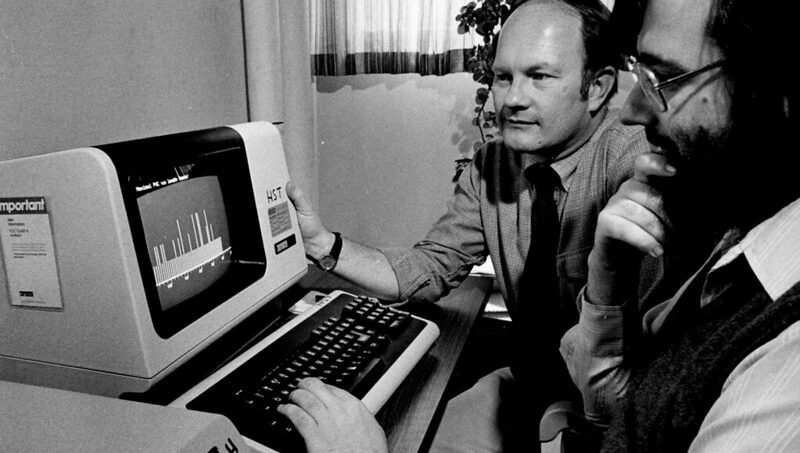
Just as GitHub has become a central platform for open-source code repositories, PhysioNet has made its mark as one of the most comprehensive clinical data repositories, hosting over 400 open-source biomedical and clinical datasets that have enabled tens of thousands of data-driven health research projects since its inception 25 years ago.
Among PhysioNet’s best-known datasets today is the Medical Information Mart for Intensive Care (MIMIC), an electronic health record dataset which has given rise to clinical AI models such as PULSE-HF, a deep learning model released last month that predicts a patient’s heart failure prognosis up to a year in advance from an electrocardiogram, and Holistic AI for Medicine (HAIM), a multimodal model that offers support for a wide range of clinical decision-making tasks.
In a new paper published in Nature Health, the founding MIT team behind PhysioNet, along with some of its newer members, commemorates the platform’s 25th anniversary with an account of PhysioNet’s origins, how it has evolved, its scientific impact, and what lies ahead in the years to come.
“Technologies advance year after year, while the truth remains that high-quality, reproducible research relies on high-quality data, ethically acquired, curated, and made available to all,” says Benjamin Moody, lead engineer for PhysioNet and son of the late George Moody, one of the original creators of PhysioNet. “As we reflect on 25 years of PhysioNet’s accomplishments, we seek to continue improving this resource, to address the needs of the next generation of biomedical researchers.”
Developed at the Harvard-MIT Health Sciences and Technology (Harvard-MIT HST) Program, PhysioNet’s origin story begins in the late 1970s at the heart (literally): a series of annotated, rigorously curated electrocardiographic recordings taken from Beth Israel Hospital became PhysioNet’s first dataset, titled the MIT-BIH Arrhythmia Database. Soon after its release, the database became a universal benchmark for evaluating arrhythmia detection algorithms for researchers, regulators and manufacturers.
“It is hard to overstate the impact that PhysioNet has had on the field of artificial intelligence in healthcare,” says Collin Stultz, Director of Harvard-MIT HST and Principal Investigator at the MIT Jameel Clinic. “The resources under the PhysioNet moniker continue to catalyze the development of computational tools that address many unmet clinical needs. I dread to think where our field would be today without this publicly available resource.”
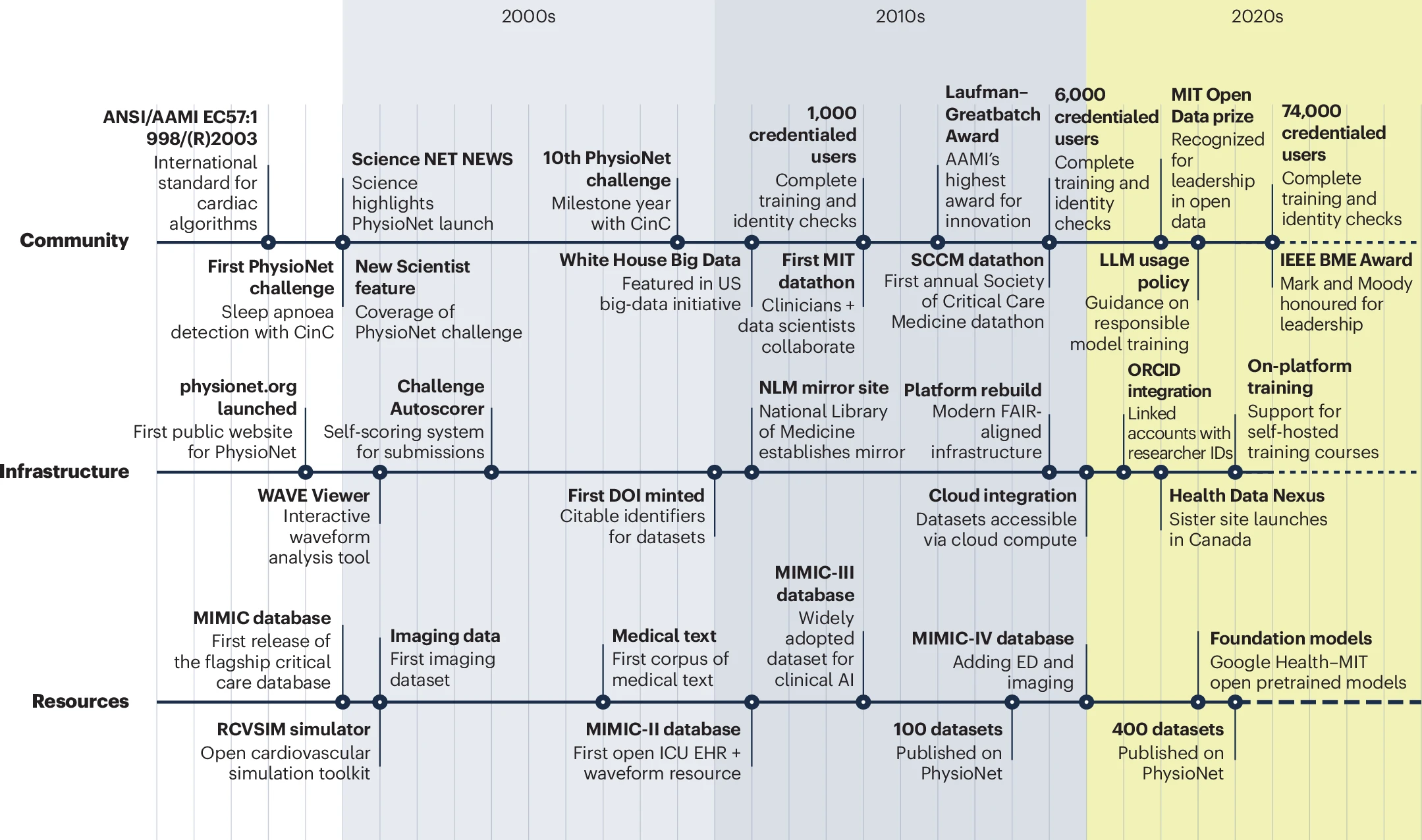
Over the past 25 years, the PhysioNet platform has expanded from a repository for physiological signals to a comprehensive resource for multimodal data, open-source software, community benchmarks and global education and research initiatives. CinC, Computing in Cardiology; DOI, digital object identifier; IEEE BME, Institute of Electrical and Electronics Engineers Biomedical Engineering; MIMIC, Medical Information Mart for Intensive Care; SCCM, Society of Critical Care Medicine. Image credit: Courtesy of researchers.
In the late 1990s, when CD-ROMS were gaining favor over tape recorders for data storage, PhysioNet was formally established under the National Institutes of Health Research Resource for Complex Physiological Signals. But the majority of PhysioNet’s datasets were contributed after 2020, following progress in the AI research space.
This year, MIT’s Distinguished Professor of Health Sciences and Technology Emeritus Roger Mark and the late Moody, Research Engineer at Laboratory for Computational Physiology, were both recognized with the prestigious IEEE Biomedical Engineering Award for their contributions to PhysioNet. IEEE cited their “leadership in ECG signal processing and global dissemination of curated biomedical and clinical databases, thereby accelerating biomedical research worldwide.” Ary Goldberger, one of the core founding faculty at the Wyss Institute who is also a Professor of Medicine at Harvard Medical School, was also acknowledged for his role in the project.
What began as a collection of biomedical and physiologic signals has become a hub supporting multimodal data, open-source software, and community benchmarks. The group has even organized global education and research initiatives, such as community challenges and “datathons,” aimed at “collectively fostering a generation of practitioners fluent in both clinical reasoning and computational analysis.”
So where does PhysioNet go from here? The researchers note that their primary focus will be to deepen their engagement with the research community. By expanding the variety of ways researchers, clinicians and educators could contribute, the team hopes to augment the platform’s value for translational research.
The PhysioNet team also hopes to establish a more robust oversight process. Currently, PhysioNet already adheres to standards established by FAIR: findability, accessibility, interoperability, and reusability. As data governance is an actively shifting landscape, they anticipate that existing oversight will need to adjust in response, with the understanding that openness may be compromised in favor of patient privacy and security.
“I’m especially excited about what’s next as we expand the community through new initiatives like an annual PhysioNet conference,” says Chrystinne Fernandes, a postdoctoral fellow at MIT who is one of the co-authors and developers of the PhysioNet platform. “PhysioNet’s strength is its community — researchers, clinicians, and engineers working together around high-quality clinical data.”
