
3 lessons from the biotech revolution that can shape U.S. innovation today
Nobel-Prize-winning scientist Phil Sharp could have easily never come to discover RNA splicing, which launched the biotechnology revolution, in 1977. In many ways, the odds were stacked against him: He grew up on a farm in rural Kentucky, he struggled with dyslexia, and neither of his parents had attended college.Still, his parents encouraged him to go to college, and he saved money for tuition from raising cattle and selling tobacco. Sharp’s grit, combined with an innovation ecosystem in the U.S. that invested in science, created the environment that led to a triumph not just for Sharp, but also America’s ability to innovate, according to Youseph Yazdi, assistant professor and executive director of the Center for Bioengineering Innovation & Design at Johns Hopkins University.
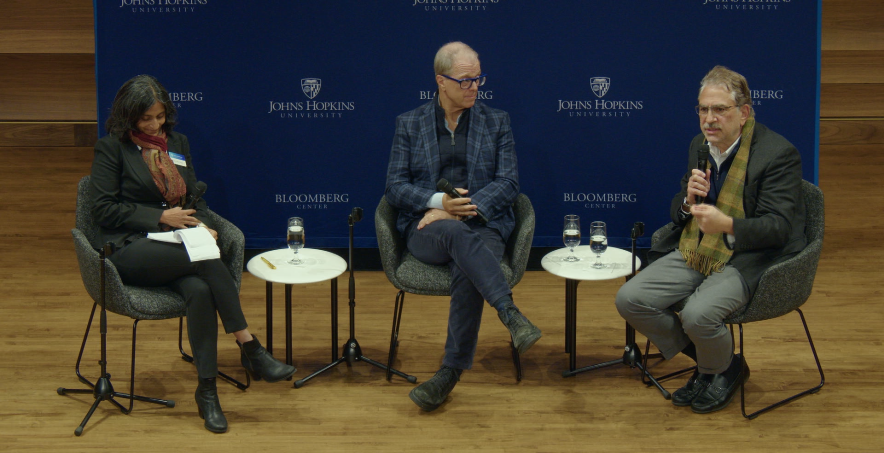
At a recent screening of the documentary Cracking the Code: Phil Sharp and the Biotech Revolution, Yazdi and the film’s director, Bill Haney, discussed the key lessons from this breakthrough that can inform the way the U.S. approaches innovation in a new era of great power competition.